
Welcome to the
Patient Hub
Here you’ll find clear, patient-friendly information about cosmetic treatments, how expectations and mental health can shape the experience, and where to find extra support if you want it.
Start here
Whether you’ve already done the pre-consultation check-in or you’re here to look into cosmetic treatments, welcome! Pick a tab below depending on where you are.

Mental Health & Appearance
Understand how things like body image, mood, and expectations can shape how you feel before and after cosmetic treatment.
Hair Loss
LGBTQ+
Aging & Menopause
Treatment Anxiety









FAQs
A few straightforward answers to questions that come up a lot around cosmetic treatments. Can’t see your question here? Get in touch and we’ll do our best to help.
It can feel upsetting in the moment, especially if you’d built yourself up for it, but a good practitioner should be able to say no. It can be a sign that they are taking your wellbeing seriously rather than just taking your money.
Try not to rush into booking somewhere else just to get a yes. The best thing to do is ask for a clear explanation. Was it about safety, expectations, healing, timing, or another reason? Take time to understand the reason before going ahead with anything else.
You can, if you feel comfortable. It may be relevant to your treatment, and many practitioners will be happy to talk things through with you.
At the same time, most cosmetic practitioners are not mental health professionals, so it helps to keep that in mind. They may be a useful part of the conversation, but they are not a substitute for proper mental health support.
If your mental health is playing a big part in how you feel about treatment, it is worth speaking to your GP or a mental health professional too.
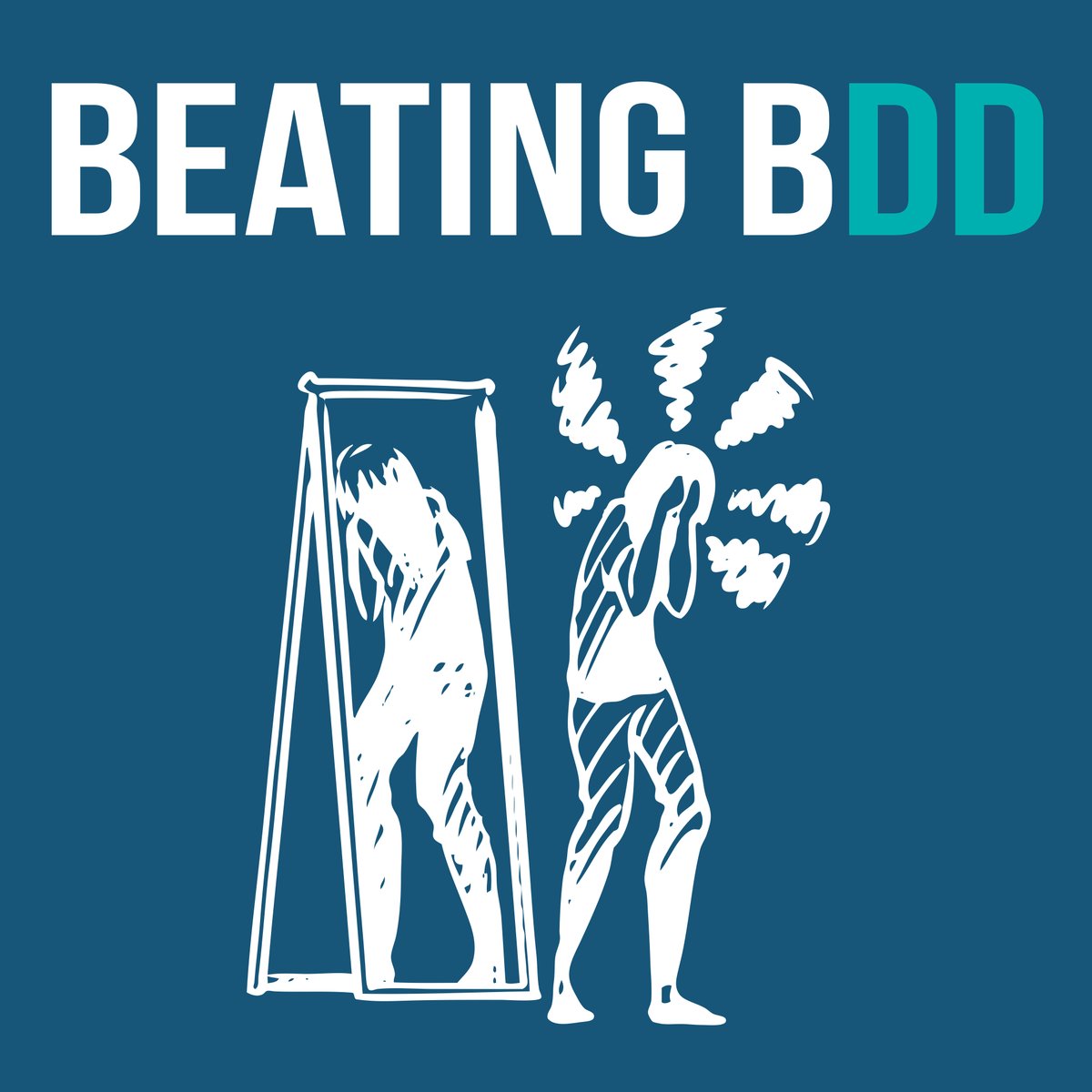
If you have BDD, or think you might, try to slow things down. People with BDD often don’t benefit from cosmetic treatments because changing a feature does not usually deal with the distress underneath it. For some people, it can end up feeding the preoccupation cycle rather than settling it.
Before going ahead with anything, it is worth learning more about BDD and speaking to your GP or a mental health professional. If you are still considering treatment, go very slowly and be cautious with anything drastic or irreversible.
Cosmetic treatment should be your decision, not something you are being pushed into by a partner, friends, family, a practitioner, or anyone else.
Pressure can make it harder to think clearly, especially if you already feel isolated or unsure. If that is what is going on, it may help to talk to someone you trust or reach out for support before making any decisions.
There are also helplines, support services, and apps that can help if you need someone to talk to.
First, try to work out what feels wrong. For some people, it is the result. For others, it is the healing process, the shock of change, or the emotional comedown afterwards. Sometimes people do need time to adjust, especially after something more visible or more invasive.
Try not to panic or rush into more treatment straight away. If something feels wrong physically, speak to your practitioner or get medical advice. If it is more about how you are feeling in yourself, take that seriously too and reach out for support. If the distress is strong, ongoing, or feels familiar in a deeper way, it may help to speak to your GP or a mental health professional before making any more treatment decisions.
Yes. It is crucial to tell your practitioner about any previous treatments. That includes surgery, injectables, dissolving, laser treatments, or anything else-- even if it was a long time ago, or done elsewhere.
This matters for safety. Past procedures can affect what is possible now, and in some cases they can interact with new treatment. In order understand what is safe to do next, your practitioner needs a clear picture of what has already been done.